Explore four recent Grounding AI podcast episodes covering AI leadership, CRM adoption, workflow clarity, team alignment, and practical implementation strategies. Donna Peterson shares grounded conversations and real-world insights to help...


Explore four recent Grounding AI podcast episodes covering AI leadership, CRM adoption, workflow clarity, team alignment, and practical implementation strategies. Donna Peterson shares grounded conversations and real-world insights to help...

A grounded approach to AI in business. Key insights from recent podcast episodes and how leaders are using AI more effectively.

AI is often used for speed, but its real value is improving decision-making. Learn how leaders can use AI to make clearer, more confident business decisions.

Many companies experiment with AI tools but struggle to scale adoption across their teams. Here’s why AI initiatives often stall — and how leaders can fix it.

AI adoption alone will not build growth in B2B companies. Learn how AI governance, alignment, and brand guardrails protect trust, strengthen long sales cycles, and create sustainable growth.

AI adoption is accelerating, but many B2B companies lack the internal alignment to support it. Learn how leadership structure determines sustainable growth.

Focusing on fewer, high-quality B2B conversations helps companies with long sales cycles build trust, reduce pressure, and make better business decisions.

Long sales cycle planning helps industrial companies make better equipment decisions, protect capital, and reduce risk through early planning.

Learn how B2B leaders can cut through noise, protect focus, and use AI to support smarter decisions without burning out or losing trust.

How can AI agents help B2B brands with long sales cycles? Learn when and where AI agents support buyers, teams, and decision making without losing the human side.

In today’s crowded B2B marketplace, it’s surprisingly easy to confuse your audience without even realizing it. Many companies assume their marketing messages are clear, but prospects often walk away unsure of what the company actually does or why it...

here's how you can make sure every employee is comfortable and capable in their use of AI at work, regardless of age, experience, or tech background.

Learn three actionable steps to improve your B2B email marketing strategy for time sensitive events. Start early, provide value, and make action simple to increase registrations and attendance.

In B2B marketing, your email list is more than a collection of addresses — it’s a gateway to building trust, driving sales, and creating loyal customers

Discover how getting clear on your WHY can fix scattered messaging, disconnected teams, and marketing that doesn’t resonate.

Learn how B2B personalized videos can stand out on YouTube. Discover strategies to attract the right audience, build trust, and generate quality leads.

Discover how to market high-ticket B2B offers with long sales cycles using a relationship first approach.

ChatGPT can be a great asset but it can also be detrimental to critical thinking and writing skills leaving people questioning everything they do

Strengthen your brand and build lasting relationships. World Innovators uses 44 years of B2B expertise to help you reach the right audience.

Email marketing remains one of the most effective channels, provided you hit the right audience with the right message
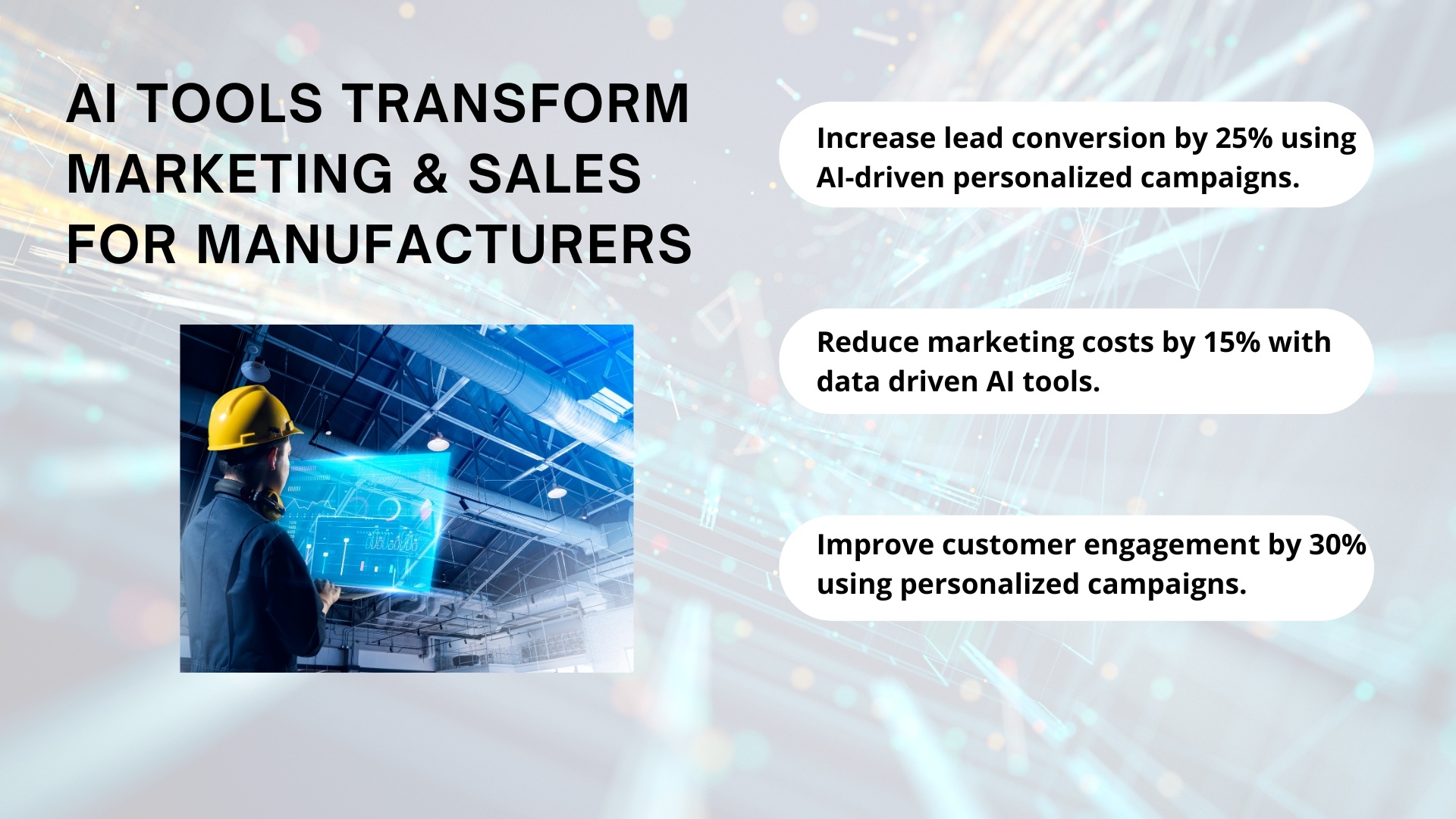
Successful marketing is built on trust, understanding, and meaningful connections. Technology and AI can certainly enhance our efforts, but at the end of the day, it's the human element that makes the biggest impact.

new tools like ChatGPT and AI are reshaping how manufacturers approach marketing; companies are moving beyond traditional sales pitches to focus on building authentic, lasting relationships

Learning how ChatGPT works is a process and once you understand how to get the responses you want, it will become your go-to resource.

Blogging is a powerful way to engage with your audience, but turning ideas into cohesive content can feel overwhelming. ChatGPT steps in to help transform thoughts into meaningful blogs with ease.

industrial brands need to do more than just share relevant content, they need to present that content in a format that resonates with their target audience

At World Innovators, we believe that building strong, lasting relationships is the key to success in industrial marketing

manufacturers looking to gain a competitive edge, having a deep, data-driven understanding of customer needs and pain points can make all the difference

Companies can leverage the power of chatGPT in their industrial marketing to enhance their brand recognition and start to form relationships.

Email marketing is one of the most effective marketing tools because you are able to talk directly to your prospects that are interested in what you have.

Email newsletters are a cornerstone of B2B marketing, offering a direct line of communication between businesses and their audience

trade shows remain a potent tool for businesses looking to grow, innovate, and connect

Your LinkedIn profile is a great career networking tool. Many people first come on LinkedIn to find a job or change careers. Once you create your profile, you open yourself to a professional network. Whether you're aiming to generate leads, attract...

industrial marketing focuses on the selling of products and services from one business to another. The marketing is more intricate and detailed.

An auction is one of the most common ways of selling your used machinery when you have multiple pieces to sell.
Learn how the connection of using good data and leveraging one simple way to have a competitive advantage can grow your business year after year.

On our recent podcast we dove into the significance of relationship building, personalization, and the role of technology in crafting impactful messages.

In our fast-paced world, staying current and evolving in the field of marketing is crucial.

Marketing Executive Education Programs must be done to the right audience at the right time across multiple, compliant, reputable channels

ChatGPT can be useful to automate many aspects of marketing and be the perfect solution to faster and more cost effective marketing

As businesses strive to stay competitive and relevant in a rapidly changing world, marketing will continue to play a pivotal role in their success.

Inbound marketing is an organic approach to marketing that seeks to earn the attention of the ideal buyer at different stages of their purchasing journey

There are benefits that come with choosing your career based on your personality traits that can help you be more productive in your role.

Marketing does not work! Marketing does not work! Until it is done correctly. In today's marketplace companies must concentrate on building relationships that instill trust and cultivate loyal customers.

maintaining a clean and healthy email list is crucial to maximize the effectiveness of your email campaigns

How much should companies rely on ChatGPT? Read this article so you can decide how to use Chat GPT and what you will use it for to help your business grow.
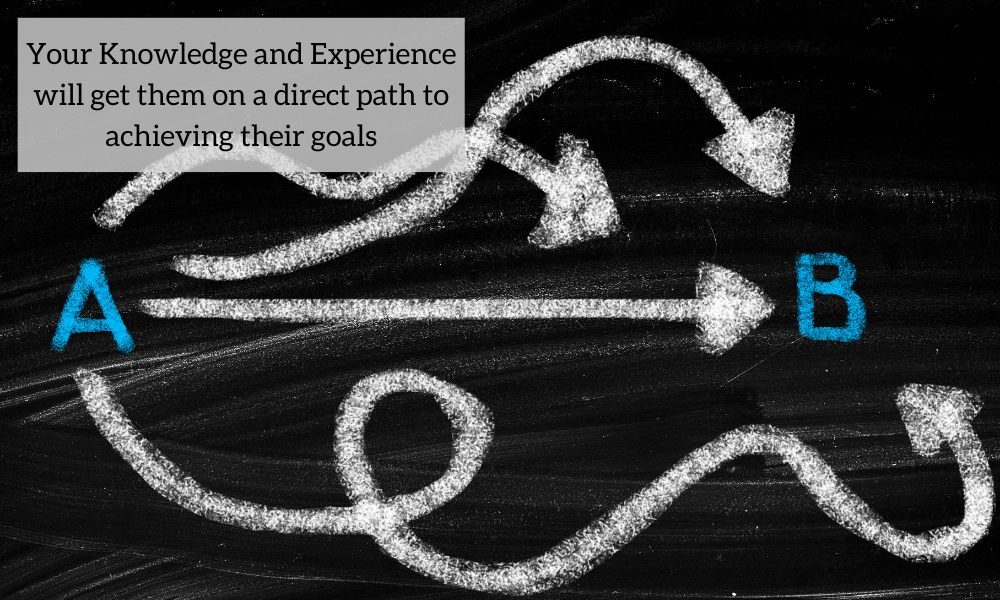
To stand out from your competition and to create successful marketing campaigns, you must create messaging that speaks directly to your audience. Knowing your customers basic demographics is a great start, but more is needed to develop campaigns...
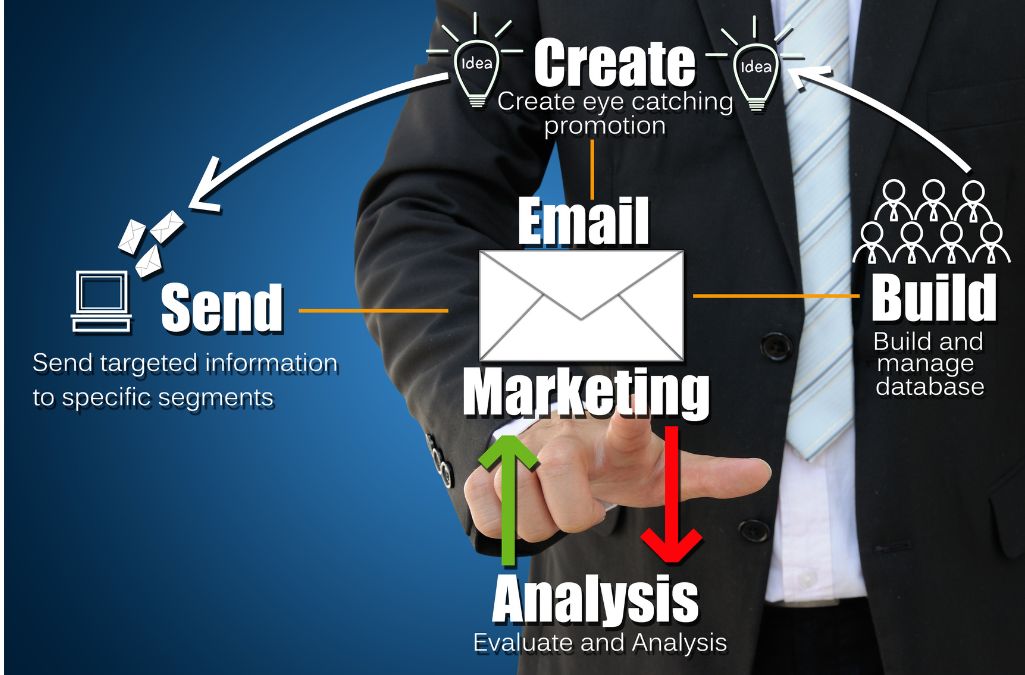
Optimizing your email to improve the effectiveness of an email marketing campaign. This can be done by testing and refining various elements of the email, such as subject lines, email copy, calls to action, and design, with the goal of improving...
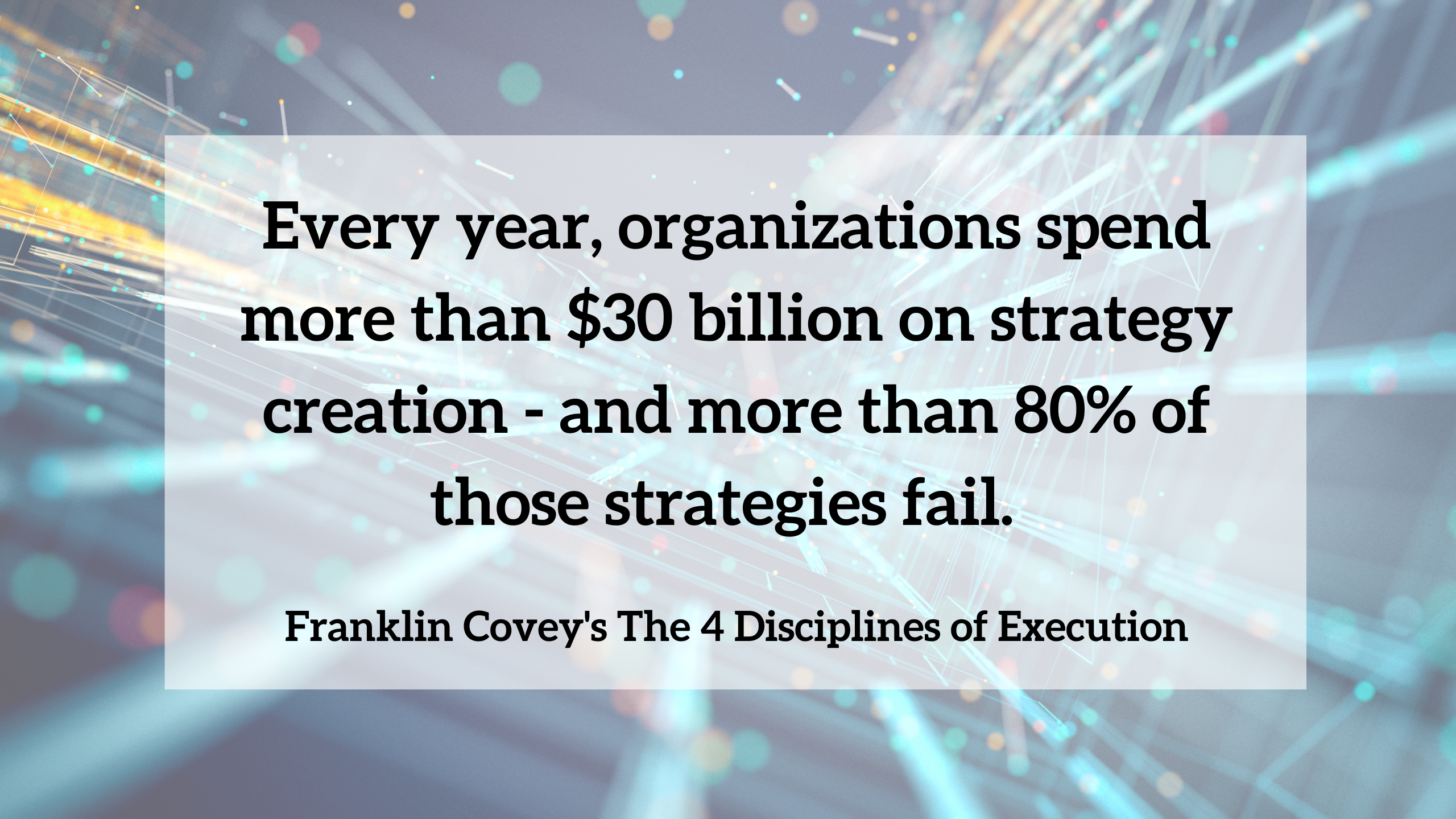
Learn how to turn your strategic marketing plan into action with these 5 steps. Communicate the plan effectively, build a strong implementation team, establish clear goals and metrics, foster a culture of accountability, and continuously monitor and...

Discover the five effective ways to create urgency in industrial auction and executive education marketing campaigns. Boost attendance and drive action with limited-time offers, scarcity, deadlines, social proof, and urgent messaging
Brand loyalty is when customers continue to purchase from the same brand over and over again, despite competitors offering similar products or services.

business trends to watch in 2023
5 questions answered about building relationships through b2b email marketing

building meaningful, authentic relationships with people is the key to building a successful business

Your Why equals your life's purpose.

Your email campaigns are only as good as your lead lists.

increase your webinar attendance with email
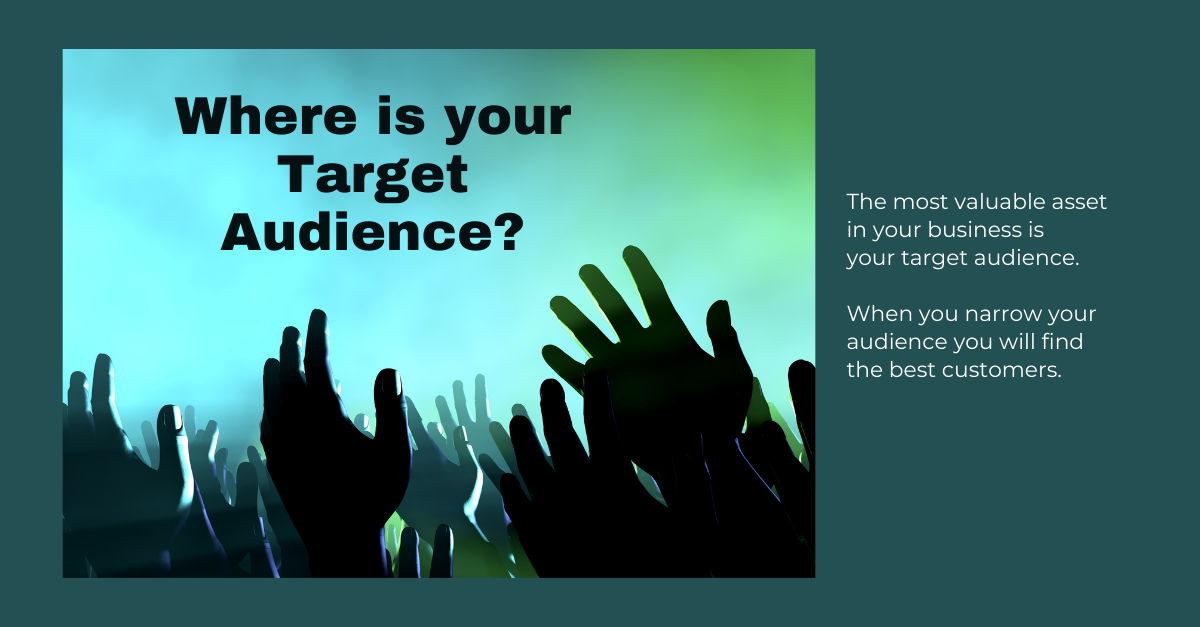
before marketing your brand, you need to define your target audience, the specific group that you can expect to purchase your products or services
understanding your target audience to define your marketing strategy
food and beverage industry manufacturing equipment auctions

using quality email lists

Be mindful of your time. If you concentrate on one thing at a time, you do a better job.
Don't you deserve to be happy? 5 easy tips to make your days more productive and enjoyable.

Stop sending marketing message that are only promoting your product. It is time for companies to step back and think about what they are sending. Does the content offer value to the recipient?
With innovative thinking and planning you can create a campaign that will bring in a diverse group of individual to create a high-impact environment.

Marketing is stressful because no company wants to waste their money. Industrial auctions must have enough registrants to buy and with competitive bidding the price will go up.

People always want to know what makes a company different from another. Here are the answers to 5 questions we receive all the time.

Buying equipment at auction can save you money and the importance of educating your prospects and giving them information to make the decision to buy.

In 2021, Companies have to take the time to really understand their audience and offer them products or services that they need.

Read why GDPR is important when looking at your house list and when considering to use 3rd party data.

Are you a restaurant owner who is trying to navigate these crazy COVID times? While many restaurants are struggling during this time, NOW can be the time to buy new equipment!

Are you a restaurant owner who is trying to navigate these crazy COVID times? While many restaurants are struggling during this time, NOW can be the time to buy new equipment!
Be careful to make sure you are renting quality marketing lists that will enhance your brand and reach your target audience. You get what you pay for.
List brokers save you time and money by recommending quality sources that will respond. Leave the leg work up to them so you can concentrate on strategy.

When looking for marketing lists you have to be careful to use only quality data that will not tarnish your brand's reputation

Research publications, conferences, and associations to find quality email lists to use for your next direct marketing campaign.

What email marketing stats are you most interested in? Number of Visitors, Number of Registrant, Number of Bidders or $ of Sales.
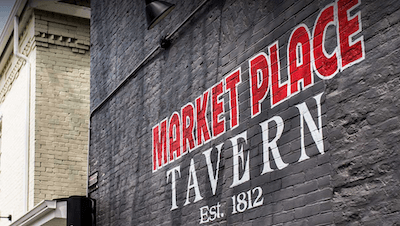
The COVID-19 pandemic has prohibited 'eating in' at restaurants and restricted service to take out and delivery only. Marketing can help you stay afloat.
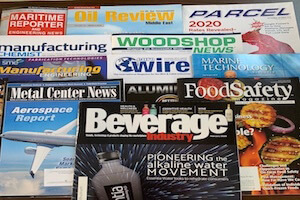
Renting a quality business email list can help you increase your house list quickly so you can start to nurture them into becoming buyers.

Every company can benefit from a marketing automation platform. Here are 5 steps to help you get the most from your platform.

People need to hear from people who are genuine and want to help others understand their industry. Your goal is not to sell but to educate.

Get more registrants in your executive education program with a cohesive marketing strategy across multiple channels.

Industrial auctions are time-sensitive so you need marketing channels that can implement immediately to the right audience. They two files work well.

Selling and buying equipment in an auction setting has several benefits that can be communicated via a blog.

Getting quality leads for a Bioscience company has to be done carefully with quality sources so that they do not waste time and money.

There are no longer borders when it comes to marketing. You need to be able to speak to people all over the world. So understand their culture.

Finding the right marketing path is always a work in progress. Even when one marketing campaign works it does not mean it will work the next time you

Marketing departments are constantly wasting money on marketing sources that do not perform. Take time to research and talk with quality vendors.

Utilizing a reputable marketing company can help you reach your marketing goals sooner by using only sources that have a proven track record of performing.

A companies email list is a precious asset and you should always be trying to add quality leads to your house list.

Social Media can help a company enhance their brand and build trust. People like to buy from companies they know and trust.

When Marketing your Executive Education Program, you must make sure you are delivering your message to the right people at the right time. Using clean, updated, reputable files insures that the information is current and that the people are still...

Marketing to the Oil & Gas Industry can be tricky but if you set forth with a strategic cohesive plan you can reach your marketing goals but you must be patient.
To uncover quality B2B Lists that are worth your Marketing Dollars you should use a B2B List broker that has knowledge of the list industry.

Industrial Marketing is tricky but if you have all your Marketing channels working together you will continually be able to make changes to achieve better responses with each campaign.

Elite Universities must make sure they are using the best quality B2B lists available.

Social Media must be incorporated in every b2b marketing plan because it is a great way to connect your audience to your product/services.
B2B Websites must be mobile friendly creating a good user experience and attracting the right people.
B2B Customer response rate is tricky, but with these marketing tips provided, you will be on your way to creating more engaging and worthwhile emails that your B2B target audience would like to respond to.

A cohesive strategy can help you obtain new leads and nurture them into becoming valuable customers.

Social Media must be incorporated in every marketing plan but take time to set-up a schedule and plan what you are doing so it is as effective as possible.
Research the email lists you are using so you do not ruin your companies reputation. A quality list will keep your company's reputation intact & increase sales.
Do you need a wider network? Use list brokers to strengthen the connection you have with clients and grow it to reach ultimate success within your company.

How to get better responses from your next Industrial Auction Marketing campaign.
How do you form more transparent relationships with your clients? Honesty, asking questions, and not making excuses are a few tactics to building these bonds.
Creating an effective email marketing campaign is no easy task. Do not use pretty images to attract people, only images that will attract the right people.

How to find a List Broker that can help you get the best results on your next B2B Marketing campaign.
Nurturing the visitor to your site into a registrant for upcoming auctions
Find out if your marketing is really achieving sales.

List brokers can say you time and money by only using sources that have a good ROI.
The differences between some email and postal lists. Which ones will produce a better response to your marketing promotion.
Using quality response email lists will help you increase the registrants to your upcoming auctions.
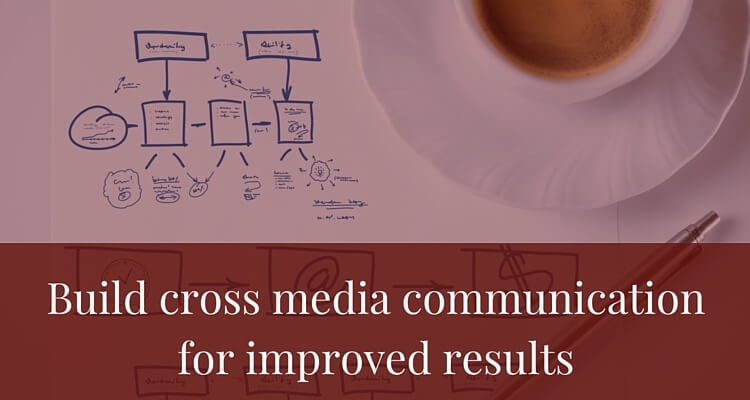
Multi-channel marketing campaigns can help you improve your B-to-B Marketing Results

Set B-to-B Marketing Goals to make sure your campaign is on the right path.

Should you rent a Email list for a one time use or purchase the list outright.
B2B Marketing for used industry equipment